FR Compression SL

Engineering Value for the Upstream Oil & Gas Industry

Boosting your expectations!

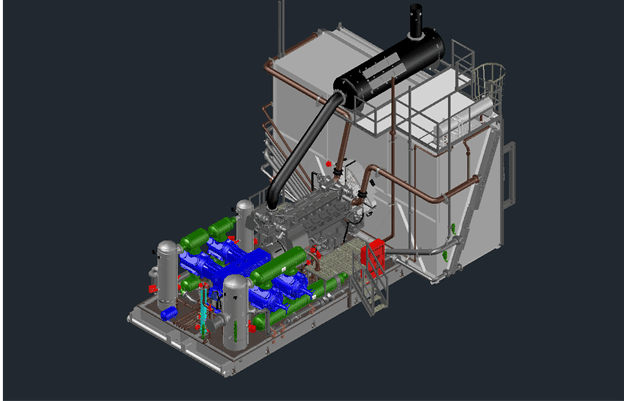
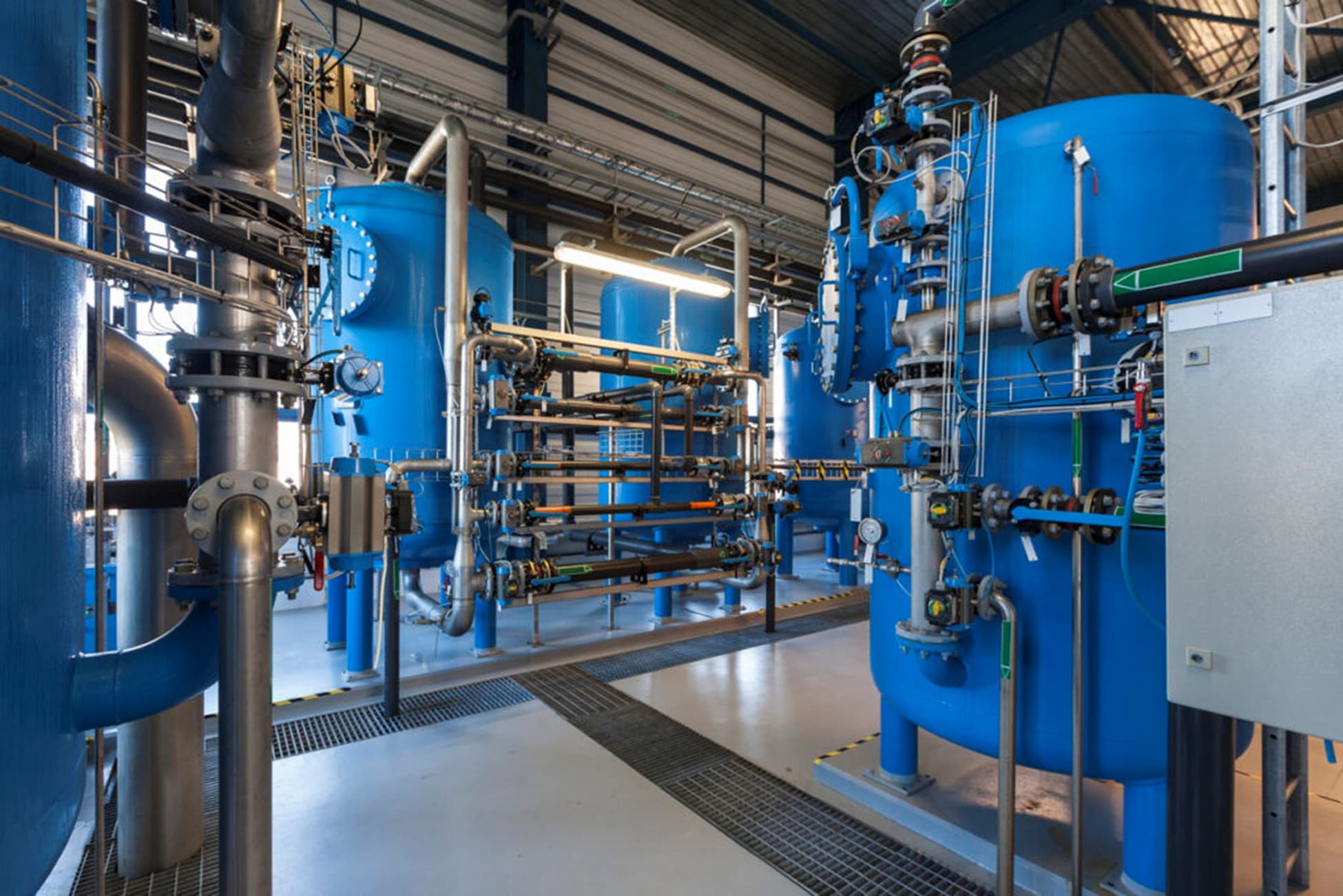
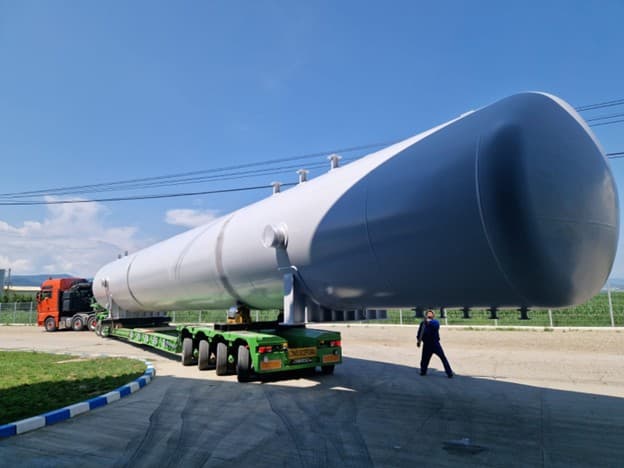
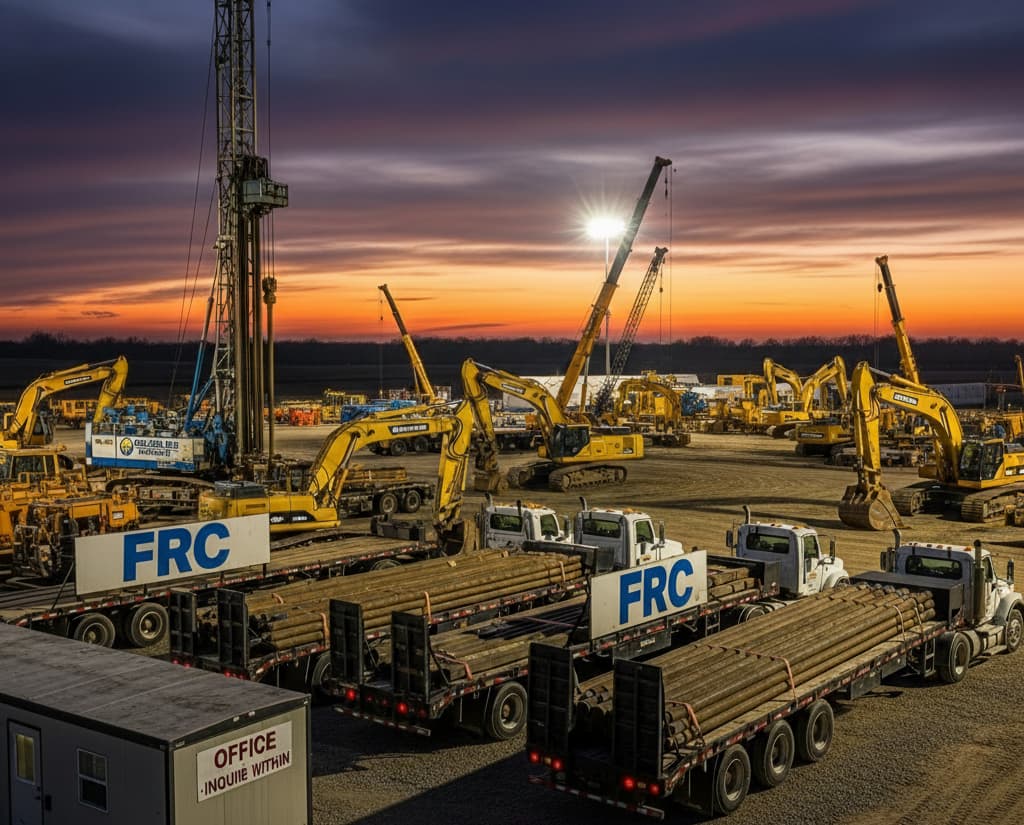
FR Compression process facility — blue vessels and piping

Welcome to FRC

FR Compression SL is your trusted partner for high-performance, integrated solutions in the upstream oil and gas sector. With decades of hands-on experience, we design and deliver fit-for-purpose equipment and turnkey systems that ensure reliability, efficiency, and measurable value for our customers.

From reciprocating and screw compressors to process equipment, instrumentation, cooling systems, and rental services, FR Compression offers a complete range of solutions tailored to the unique demands of each project. Acting as a true one-stop shop, we combine technical expertise with flexibility to help our clients achieve the right fit — from concept to commissioning and beyond.

About FR Compression →

Oil and Gas Industrial Equipment Supplier

Tailored Equipment and Turnkey Packages

At FR Compression, we specialize in providing top-notch equipment and solutions for the oil and gas industry. Our products are designed to optimize operations and ensure efficiency, safety, and reliability.

Our Services

From Concept to Commissioning

01

Equipment rental

We specialize in providing gas compression equipment rentals tailored to upstream oil and gas applications. Our fleet includes a wide range of compressors engineered to support wellhead production, gas gathering, and field development projects. With flexible rental terms, rapid deployment options, and field-proven reliability, FR Compression (FRC) helps operators maintain production efficiency, reduce downtime, and optimize performance in even the most demanding operating environments. For long-term contracts, we offer both standardized packages and custom-designed solutions, available in gas engine–driven or electric motor–driven configurations — ensuring the most suitable setup for each project's technical and operational requirements. Our team of experts provides the knowledge and support needed to identify the best-fit solutions for immediate deployment. Backed by fast mobilization and reliable performance, FRC delivers fast and reliable equipment that operators can trust to keep production moving

02

Equipment retrofits and upgrades

Our team of experts specializes in providing the best solutions for adjusting upstream oil and gas equipment to changing field conditions. Whether your operation requires modifications to meet new production demands, improvements in equipment reliability, or enhancements to efficiency, we deliver tailored retrofit and upgrade services. With deep industry knowledge and hands-on experience, our specialists evaluate each project's unique requirements to recommend and implement upgrades that optimize performance, increase uptime, and ensure your equipment operates at peak efficiency even as conditions evolve.

03

Technical Consultancy & Agency

Beyond equipment supply, FR Compression (FRC) provides comprehensive technical consultancy and agency services to support clients throughout the entire project lifecycle. Our team of experts assists with technical meetings, site visits, feasibility studies, and detailed cost evaluations, ensuring that every stage of the project is approached with accuracy and efficiency. By combining in-depth field experience with strong industry partnerships, we provide clients with the expert guidance and advocacy needed to make informed decisions. These value-added services help operators reduce risk, optimize investment, and maximize project success in even the most challenging upstream environments

04

Engineering

In addition to our equipment and consultancy offerings, FR Compression (FRC) delivers comprehensive engineering support services for the oil and gas industry. Through our network of trusted partners, we provide end-to-end solutions that cover every stage of a project—from initial counseling and conceptual planning, through front-end engineering design (FEED) and detailed design engineering, to construction site management, vendor management, and EPCM/turn-key project execution. This integrated approach ensures our clients benefit from seamless project delivery, expert oversight, and consistent quality, no matter the complexity or scope of their upstream operations

05

Project management

Specialized project management is critical in the upstream oil and gas industry, where complex operations, stringent safety standards, and evolving field conditions demand precise coordination and expert oversight. Effective project management ensures that every phase—from planning and design to execution and delivery—is handled with accuracy, minimizing risk and maximizing efficiency. In this high-stakes environment, having a partner like FR Compression (FRC) offers significant advantages. By leveraging FRC's deep industry expertise and integrated approach, clients benefit from robust project controls, proactive problem-solving, and seamless communication across all stakeholders. FRC's dedicated project management support helps operators stay on schedule, control costs, and achieve quality outcomes, even on the most technically demanding projects. As a trusted partner, FRC not only navigates regulatory and logistical complexities but also advocates for client interests, ensuring that every project is completed safely, reliably, and to the highest standards of performance

06

Startup, commissioning, operation and maintenance

FR Compression (FRC) provides comprehensive support throughout the critical phases of startup, commissioning, operation, and maintenance for upstream oil and gas assets. Our experienced team works closely with clients to ensure that new or upgraded equipment is brought online smoothly and efficiently, minimizing downtime and mitigating risks associated with initial deployment. During commissioning, we conduct thorough system checks, performance validation, and safety assessments to confirm that all equipment meets required specifications and regulatory standards. Once operational, FRC delivers ongoing technical guidance and hands-on support for routine maintenance, troubleshooting, and performance optimization. Our proactive maintenance programs are designed to extend equipment lifespan, enhance reliability, and reduce unexpected outages. We also offer tailored training for client personnel, empowering teams to operate and maintain equipment safely and confidently. By integrating these services into the project lifecycle, FRC ensures that clients achieve long-term operational success, maximum equipment uptime, and consistent production efficiency

All services →

Applications

Where FRC capabilities apply.

Full application library →

Early Production Facilities (EPF)

Early Production Facilities (EPF) are temporary or modular installations designed to enable the rapid startup of oil and gas production from newly drilled wells. These facilities allow operators to process and separate crude oil, gas, and water at the well site before permanent production infrastructure is completed. EPFs typically include essential equipment for initial fluid separation, storage, and measurement, enabling early cash flow and reservoir data collection while full-scale surface production facilities are being constructed. Their flexible and scalable design makes them a practical solution for accelerating field development and optimizing project economics.

Gas Processing

Gas processing plays a critical role in the upstream sector of the oil and gas industry. After extraction at the wellhead, raw natural gas often contains impurities such as water vapor, hydrogen sulfide, carbon dioxide, and natural gas liquids (NGLs). Gas processing facilities are responsible for removing these contaminants and separating valuable byproducts to ensure the gas meets the quality specifications required for pipeline transmission or commercial use. By efficiently treating and conditioning the gas at or near the production site, gas processing enhances the value chain, supports safe and reliable transportation, and contributes to the overall profitability and operational efficiency of upstream operations.

Surface Production Facilities

Surface Production Facilities are a vital component of the upstream oil and gas sector. These facilities encompass all the infrastructure and equipment located above ground that are necessary for the processing, separation, treatment, storage, and measurement of hydrocarbons produced from oil and gas wells. In the upstream phase, after hydrocarbons are extracted from underground reservoirs, they are brought to the surface where surface production facilities handle the initial stages of production. This typically includes separating oil, gas, and water; removing impurities; and preparing the products for further processing, storage, or transportation. The design and operation of surface production facilities are tailored to the specific characteristics of the reservoir and production strategy. They may include wellhead compression units to boost pressure, early production facilities (EPF) for rapid project startup, and gas processing plants to ensure that natural gas meets required quality standards for pipeline transmission or commercial sale. By efficiently managing these critical processes at or near the production site, surface production facilities help maximize resource recovery, accelerate cash flow, and ensure the safety and reliability of upstream operations.

CNG Compression

CNG Compression refers to the process of compressing natural gas to a high pressure, typically between 3,000 and 3,600 psi, to convert it into Compressed Natural Gas (CNG) for efficient storage and transportation. In the context of oil and gas upstream operations, CNG compression is utilized to manage associated or produced natural gas at the well site, especially in remote or early-stage developments where pipeline infrastructure may not yet be available. By compressing natural gas, operators can capture and monetize gas that might otherwise be flared or vented, thereby reducing emissions and enhancing project economics. CNG compression also enables flexible gas handling solutions, allowing for safe transport by trailer or other means to downstream processing facilities or end users. Incorporating CNG compression into upstream operations supports environmental compliance, maximizes resource utilization, and provides an interim solution until permanent gas processing or pipeline infrastructure is established.

Virtual Pipeline

Virtual pipeline refers to a logistics solution used in the upstream oil and gas sector to transport compressed natural gas (CNG) or liquefied natural gas (LNG) from production sites to end users or processing facilities without relying on traditional, fixed pipeline infrastructure. Instead, natural gas is compressed or liquefied at the well site and loaded onto specially designed trailers, trucks, rail cars, or barges for overland or waterborne transport. This approach is particularly valuable in remote or early-stage field developments where permanent pipelines are not yet available or economically viable. By utilizing virtual pipelines, operators can monetize stranded or associated gas that might otherwise be flared or vented, thereby reducing emissions and enhancing project economics. Virtual pipelines also offer flexibility and scalability, allowing for the safe and efficient delivery of natural gas to a variety of markets, including power generation facilities, industrial plants, or local distribution networks. This solution supports environmental compliance, maximizes resource utilization, and serves as an interim or long-term alternative to traditional pipelines, especially in regions facing regulatory, logistical, or geographical challenges. In summary, virtual pipelines bridge the gap between upstream production and downstream demand in situations where conventional pipelines are impractical, ensuring that valuable natural gas resources are efficiently captured, transported, and utilized.

Pipeline Evacuation

Pipeline evacuation is a critical process in upstream oil and gas operations, involving the safe and efficient removal of hydrocarbons, water, or other fluids from pipelines. This practice is essential during maintenance, commissioning, decommissioning, or emergency situations to ensure the integrity and safety of pipeline infrastructure. In the context of early field development, pipeline evacuation enables operators to clear lines prior to startup or after temporary production phases, minimizing risks of contamination, corrosion, or environmental incidents. Advanced evacuation techniques may include the use of inert gases, pigs, or specialized pumps to thoroughly purge pipelines, thereby supporting operational reliability and regulatory compliance. By effectively managing pipeline evacuation, upstream projects can optimize fluid handling, reduce downtime, and uphold high standards for environmental protection and workplace safety.

Pipeline Transmission

Pipeline Transmission is a fundamental aspect of the oil and gas upstream sector, serving as the primary method for transporting processed hydrocarbons—such as natural gas, crude oil, or their derivatives—from production sites to processing plants, storage facilities, or downstream users. After gas has undergone necessary treatment and conditioning at surface production facilities or gas processing plants, pipeline transmission ensures the safe, reliable, and cost-effective movement of these products over long distances. Modern pipeline systems are engineered to operate under high pressure and are constructed from durable materials to withstand a range of environmental and operational challenges. The design and operational protocols for pipeline transmission take into account the specific properties of the hydrocarbons being transported, as well as factors such as terrain, climate, and regulatory requirements. Advanced monitoring and control systems are often integrated to detect leaks, manage flow rates, and maintain pipeline integrity, thereby minimizing environmental risks and supporting operational safety. Within the context of upstream operations, efficient pipeline transmission enables operators to minimize flaring or venting by providing a continuous and controlled route for hydrocarbon evacuation. This not only supports environmental compliance and resource conservation but also maximizes economic returns by ensuring timely delivery of products to market. Additionally, the ability to rapidly evacuate or commission pipelines during maintenance or early production phases is critical for project flexibility and risk management. Overall, pipeline transmission acts as a vital link in the oil and gas value chain, facilitating the seamless integration of upstream production with midstream and downstream activities while upholding high standards for safety, reliability, and environmental stewardship.

Gas Gathering

Gas gathering is a critical component in upstream oil and gas operations, involving the collection and consolidation of natural gas from multiple wells or production sites. This process typically utilizes a network of small-diameter pipelines—known as gathering lines—that transport raw natural gas, often containing impurities and liquids, from individual wellheads to central processing facilities or compressor stations. In early field developments or remote locations where extensive infrastructure may not yet exist, gas gathering systems provide a flexible and scalable solution to efficiently manage and monetize produced gas. Implementing an effective gas gathering system allows operators to capture associated or produced gas that might otherwise be flared or vented, thereby reducing greenhouse gas emissions and supporting regulatory compliance. By aggregating gas from dispersed sources, gathering systems optimize resource utilization, enable economies of scale, and facilitate the delivery of gas to downstream markets or processing plants. Advanced systems may integrate metering, flow control, and real-time monitoring to enhance operational reliability, detect leaks quickly, and maintain safety throughout the gathering network. In summary, gas gathering serves as a vital link between wellsite production and downstream processing or transmission, enabling operators to maximize the value of their natural gas resources while upholding high standards for environmental stewardship and operational efficiency.

Our Partners

Partners and OEM Representation

We proudly represent and collaborate with global OEMs and component suppliers to bring world-class technology closer to end users. Our flexible model allows us to operate as agents or distributors depending on the commercial and technical requirements of each project.

Our partners →
PSE Engineering GmbH logo

PSE Engineering Gmbh

Globally operating engineering service provider with eight specialized business units. Oil&Gas, refinery technology, compression systems, seprartion and silencing, water and wastewater, storage-trasnport-production technologies and other.

BAT Medias SA logo

BAT Medias SA

Company with a long tradition in the execution of natural gas transmission and distribution systems. Specializes in the implementation of natural gas transmission systems, natural gas distribution systems, surface technology related to natural gas storage

Sutech SRL logo

Sutech SRL

Contractor for the construction of compressor stations, supplier of equipment for the oil and gas industry. Round set of services and solutions in design, construction and commissioning of oilfield equipment, electric-automation, gas cooling, gas pipelines.

GOES-WELL logo

GOES-WELL

Full range of well stimulation, drilling, cementing and workover equipment. Became an industry standard for coiled rubin, high pressure nitrogen, cementing, frac, fluid pumping, sand control, wireline units, both - stationary and wheel based.

Discuss your next project with FRC.

Start a conversation about compression, power, process packages or full project support.

Contact FRC